Skip to content
Live Well Logo
    Live Well Logo
    • Home
    • About Live Well
      • Our Impact
      • Live Well News
    • Live Well Network
    • Live Well Initiatives
      • REACH
    • Start Living Well
      • ACHD Information
      • Health Information & Resources
      • Eat Well
      • ReThink Your Drink
      • Quit Smoking
      • Get to Know your Parks
    • Let’s Partner
      • Gain Live Well Status
    • Subscribe

    Live Well Allegheny: February 2024 E-Update

    1. Home  - 
    2. Newsletter
    27Feb, 2024
    Live Well Allegheny: February 2024 E-Update

    February 2024


    More than 350 Live Well partners are united to make Allegheny County healthy for all to live, learn, work and play!

    The Live Well Allegheny update contains information to help make Allegheny County a healthier place for all. Please feel free to share.

    Be sure to follow the Allegheny County Health Department on Facebook, Twitter, and Instagram to stay up to date on all ACHD news.

    Allegheny County Health Department Website

    February Health Observances: Women’s Heart Health Awareness and Teen Dating Violence Awareness

    Women’s Heart Health Awareness

    Cardiovascular disease, explained more in-depth in our January edition of the newsletter, is the number one cause of death for women in the US. TheAmerican Heart Association Go Red for Women Logo American Heart Association’s campaign, Go Red for Women encourages everyone to come together to motivate, educate, and support each other to sustain longer and healthier lives.
    Remember, heart disease is a term that encompasses a variety of different diseases affecting the heart. The most common type in the United States is coronary artery disease, which can cause heart attack, angina, heart failure, and arrhythmias. In Allegheny County, 11% of adults 35 years and older have ever been told by a health care provider that they had a heart attack, coronary heart disease, or a stroke. Controlling high blood pressure and cholesterol are also important prevention strategies. According to the Centers for Disease Control and Prevention (CDC), a 12-13 point reduction in systolic blood pressure (this is the top number on your blood pressure reading) can reduce heart disease risk by 21%, stroke risk by 37%, and risk for death from heart disease or stroke by 25%.

    The American Heart Association recommends:

    • Learning hands-only CPR: Many people go without help when suffering a cardiac arrest because bystanders are afraid to touch them. Find a CPR certification class in your area:
      • Red Cross Training | Take a Class | Red Cross.
      • American Heart Association CPR & First Aid
    • Knowing your numbers: Begin a routine to regularly monitor your blood pressure. Encourage a friend or family member to do it alongside you. Take a look at this webpage from the American Heart Association to learn more about how to monitor your blood pressure at home and what the numbers mean. They also have a section on choosing an at-home blood pressure monitor. Monitoring Your Blood Pressure at Home | American Heart Association.
    • Joining “Research Goes Red”: Help more women be seen, counted, and represented in cardiovascular research: Research Goes Red | American Heart Association.
    • Making well-being work for you: Make sure you are taking care of your mental health and wellbeing just as much as your physical health. Learn what kind of de-stress and self-care practices work best for you.
      • Tools and Resources (cdc.gov)
      • Coping with Stress (cdc.gov)
      • Caring for Your Mental Health – National Institute of Mental Health (NIMH) (nih.gov)
      • Psychiatry and Mental Health | AHN
      • Behavioral Health Services | UPMC – Pittsburgh, PA
    • Raising awareness: Talk to your friends and family about heart health. Share what you’ve learned from this newsletter, as well as the information in the links shared above. Providing folks with accurate and important health information empowers them to take actionable steps to improve their health and wellbeing.


    Teen Dating Violence Awareness


    February is Teen Dating Violence Awareness month. Teen dating violence (TDV) affects millions of young people in the US and beyond. This type of violence can be physical, verbal, and emotional. This means that it can take place in-person, online, or though other forms of technology, similarly to online bullying TDV affects lifelong health and wellbeing, but it is preventable, and it is on all of us to help our young people grow up violence-free.

    Across the US, 1 in 4 adolescents report verbal, emotional, physical, or sexual dating violence each year. In Allegheny County, 8.0% of adults experienced threats of physical violence by an intimate partner in 2021, slightly less than 10% in Pennsylvania overall. At this time, we only have this data for adults 18 and over in Allegheny County. According to a 2017 CDC survey, LGBTQ+ students are at a 2 to 3 times greater risk of experiencing dating violence than non-LGBTQ+ students (LGB Teen Dating Violence Data | CDC).

    The CDC has an evidence-based, violence prevention program called Dating Matters: Strategies to Promote Healthy Teen Relationships. It focuses on 11-14 year olds and includes teaching healthy relationship skills and reducing the behaviors that increase the risk for dating violence. There are also programs for parents that teach and encourage parents to talk to their children about healthy and safe relationships. Check out their webpage for excellent resources on this topic.

    Dating Matters provides teenagers with the dating guidance they’re seeking but may not be asking about.

    Live Well Schools, do you have any form of a healthy relationship-curriculum in your adolescent classrooms? Consider ways to incorporate healthy relationship lessons for adolescents just before and during the typical age that they begin to date.

    Here is a list of resources for talking to teens about healthy relationships, and to support folks who may be dealing with violence in a current or past relationship:

    • Human Services (DHS) – Allegheny County, PA
    • Additional Resources | Intimate Partner Violence | Violence Prevention | Injury Center | CDC.
    • Resources for Victims of Teen Dating Violence | Youth.gov
    • Healthy relationships for young adults | Love is Respect
    • Break The Cycle

    If you or someone you know is experiencing intimate partner violence, please visit this link from the Department of Human Services for resources in Allegheny County: Intimate Partner Violence Resources – Allegheny Connect.

    National Domestic Violence Hotline: 1.800.799.SAFE (7233)

    National Dating Abuse Helpline:  1-866-331-9474

    LWA REACH Updates:
    Live Well Allegheny, Racial and Ethnic Approaches to Community Health

    What is REACH?

    The Allegheny County Health Department (ACHD) received a cooperative agreement from the CDC for the to work in nine priority communities in the county to reduce racial health disparities. A diverse coalition of more than 25 partners are working to increase access to healthy foods, breastfeeding resources, adult vaccinations, and physical activities.

    Those of you who are familiar with Live Well Allegheny or have been reading our newsletter for a long time may already be aware of the ACHD REACH Program. However, we want to remind our community members and partners just what REACH is all about. Each month, we will be highlighting a strategy area of REACH, or a specific project within the REACH coalition. See what the REACH coalition accomplished in the first 5 years, from 2018-2023: Racial and Ethnic Approaches to Community Health Story Map.

    This month, we are going to focus on the strategy area of breastfeeding. There are two main organizations involved in our breastfeeding strategy, both focused on the goal of improving breastfeeding rates in Black and African American communities in Allegheny County. They aim to do this by improving access to services and support, implementing policies to make it easier on parents to pump at work, and making network of local lactation providers more robust.

    Check out the REACH site here: REACH – Live Well Allegheny.

    Take a look at the REACH flyer here, available for download: ACHD REACH One-Pager.

    Who is involved?

    Black Women’s Policy Center

    • Continue policy work to address the disparities in the rate ofBlack Women's Policy Center Logo breastfeeding between Black and White women in the REACH communities.
    • Level Up Greater Pittsburgh Pay Equity Campaign launched in 2022: Addresses pay equity and the creation of breastfeeding family-friendly workspaces where Black women feel respected, valued, and protected.
    • Work with local companies to develop workplace policies that align with the PUMP Act, which gives nursing parents the right to break time and private space to pump milk during the workday. 

    Healthy Start Inc. and the Pittsburgh Black Breastfeeding Circle

    • Establish a Clinical-Community Lactation Network (CCLN) committed to improving the breastfeeding continuum of care and deepening the impact, connection, and sustainability between clinical and communityHealthy Start Logo perinatal support providers.
    • Coordinate and provide professional development, such as Breastfeeding 101 training across community-based and clinical lactation professionals.
    • Expand existing strategies and identify new strategies to increase Black breastfeeding duration at six months postpartum.
    • Promote a village approach to change the future of breastfeeding inPittsburgh Black Breastfeeding Circle Logo the Black community via education, advocacy, and on-demand phone, virtual, and in-person support.

    Live Well, Be Well

    Let’s Get Walking, Allegheny County! 

    It can be difficult to get enough exercise during the winter months, especially when there is ice and snow on the ground and frigid temperatures in the air.

    Every step counts, especially when it comes to heart health! During American Heart Month, let’s challenge ourselves to take more steps each . Whether it’s a quick stroll or a brisk walk, every movement brings us closer to a healthier heart. Tips for Getting More Active Minutes

    If you cannot safely walk outside, or do not have access to a gym or treadmill, try going for walks around your closest mall or museum. Alternatively, why not dance to your favorite music in your living room to work up a sweat? Get started slowly and work your way up to 150 minutes of physical activity per week (or almost 22 minutes per day) to aid in preventing chronic diseases!

    Find a local walking or hiking group in Allegheny County.

    Venture Outdoors often hosts hiking and walking events for a low cost at all levels of difficulty. Some even function as walking tours, incorporating facts about the history of Pittsburgh and Allegheny County and notable sites along the way.

    Check out Meetup.com to find dates and times for various walking, hiking, and running groups.

    Explore your local municipal parks or check out the Western Pennsylvania Conservancy Preserve nearest you:

    • Trails and Hiking – Allegheny County, PA
    • Explore Our Preserves – Western Pennsylvania Conservancy (waterlandlife.org)

    Look for Facebook groups local to your area, such as Pittsburgh Hiking or PGH Walks.

    Founded in 2022, Pittsburgh Girls Who Walk has become a popular walking group among young women but is open to all ages.

    Community Health Survey
    Allegheny County Health Department Logo The Allegheny County Health Department (ACHD) is encouraging residents to participate in a community health survey.  The community health survey for residents covers a variety of topics such as health care access, chronic disease, health risk behaviors, environment, maternal and child health, and mental health and substance use disorder. Survey results will inform the Health Department on its progress towards the goals laid out in the Plan for a Healthier Allegheny, a multi-year countywide plan that focuses on physical, behavioral, and environmental health across the county.

     “Results from this survey will help the Allegheny County Health Department better understand the health needs of our community,” said Dr. LuAnn Brink, Deputy Director for the Allegheny County Health Department Bureau of Data, Reporting & Disease Control. “When Allegheny County residents participate in this survey, it helps us gather the information we need to plan for and take action to improve health equity and ensure that we have a healthier Allegheny County for all.”

    The Public Health Assessment Survey is a web-based survey that is focused on achieving broad and diverse participation among county residents. The survey is compatible with smart phones and will remain open through April 2024. The Health Department hopes to have 3,000 participants from the county’s population of almost one million adults.

    The survey is available at https://bit.ly/pghachd.

    Chronic Disease Spotlight

    According to the CDC, six in ten adults in the U.S. have a chronic disease and four in ten adults have two or more chronic diseases Chronic Diseases in America | CDC. Each month this section will highlight a common chronic disease and provide educational resources.

    Let’s Talk about Alzheimer’s Disease, Related Dementias, and Our Aging Population 

    Allegheny County, Pennsylvania has one of the highest percentages of people over 65 in the country, at 19.7%. Alzheimer’s Disease was identified as the 7th leading cause of death in Allegheny County in 2020, and 6th overall in the United States. In 2021, 10% of adults in Allegheny County 45 years and older experienced “more frequent or worsening confusion or memory loss in the past year.”

    has excellent resources on reducing one’s risk of developing Alzheimers and Dementias and protecting brain health. Check out Dementia-Friendly Greater Pittsburgh’s toolkit for ways to best support our neighbors living with dementia: Dementia-Friendly Greater Pittsburgh: A Dementia-Friendly Toolkit for the Community.

    How can you maintain your best brain health?

    According to the CDC, there are 7 main lifestyle changes we all can make to keep our brains happy and healthy.

    1. Quit smoking.
    2. Maintain healthy blood pressure level.
    3. Be physically active.
    4. Maintain a healthy weight for you.
    5. Get enough sleep.
    6. Stay engaged in your community and social life.
    7. Manage blood sugar.

    Read more about them here: Maintaining Your Brain Health.  Luckily, these lifestyle changes are the same ones that one should engage in to prevent many of the most common chronic diseases.

    What is happening in Allegheny County to make it an Age-Friendly place to live?

    The Allegheny County Health Department got awarded the CDC BOLD (Building Our Largest Dementia Infrastructure) grant in 2023. This grant will allow the county to collaborate with community partners to improve health disparities, educate communities and health care providers, and increase community-clinical access. This effort will include all residents, with a special focus on Black and low-income communities in Allegheny County.

    Age-Friendly Greater Pittsburgh (AFGP) is an organization dedicated to bringing generations together to reimagine how Pittsburgh’s neighborhoods are built and to advance equity through advocacy, education, and innovation. Check out Age Friendly Greater Pittsburgh and the work that they do.

    For Live Well Municipalities and Community Partners, take a look at the Aging Your Way Toolkit from the Southwestern Pennsylvania Partnership for Aging. It has information on fostering Age Friendly Communities to help your neighborhood be friendlier and more inclusive for all ages and abilities. Age Friendly Neighborhoods should be great places to grow up and grow old!

    You can become a Dementia Friend. Make a positive difference in the lives of people living with dementia – Dementia Friends PA. Developed by the Alzheimer’s Society in the United Kingdom, the Dementia Friends initiative is underway in Pennsylvania. By helping everyone in a community understand what dementia is and how it affects people, each of us can make a difference for people touched by dementia.

    Here is a list of Essential Numbers for older adults that can be printed out and posted in a highly visible area: Age-Friendly Essential Numbers for Download and Print.
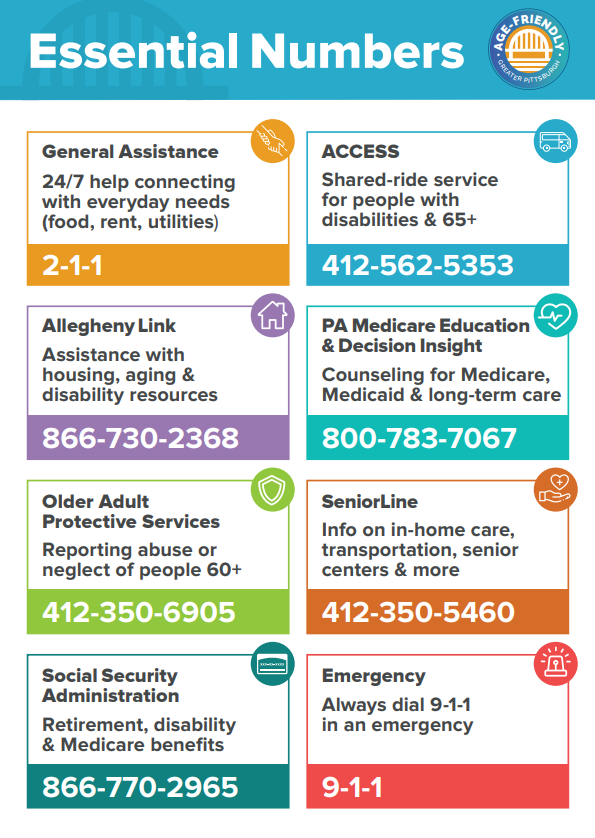
    Age Friendly's Infographic on Essential Services
    24Jan, 2024
    Live Well Allegheny: January 2024 E-Update

    Happy New Year!


    More than 350 Live Well partners are united to make Allegheny County healthy for all to live, learn, work and play!

    The Live Well Allegheny update contains information to help make Allegheny County a healthier place for all. Please feel free to share.

    Be sure to follow the Allegheny County Health Department on Facebook, Twitter, and Instagram to stay up to date on all ACHD news.

    Allegheny County Health Department Website

    Welcome New Live Well Partners!

    We have a new community partner!Live Well Community Partner Badge Logo

    The Chronic Disease Health Alliance

    The CDHA is a conglomerate of local organizations joined together to form a “super team” to provide resources and aid in the fight against chronic disease.

    Their Mission: Bridging the gap in healthcare by providing low income and food scarce communities in Allegheny County with access to quality nutrition resources and education for the prevention, management, and reversal of chronic disease.

    Check out their website for more information: CDHA (cdhapgh.org)

    January Health Observance: Cervical Cancer

    January is Cervical Cancer Awareness Month

    Across the United States, thousands of people will be diagnosed in 2024 and as many as 4,000 may die. In Allegheny County, there are 6.4 cases per 100,000 people with a cervix. Due to social, environmental, and economic disadvantages, certain groups in the US bear a disproportionate burden of cancer than others. People of Color can experience disparities in the delivery of healthcare they receive, even in the same city or the same doctor’s office. Black/African American and Hispanic/Latino folks have higher rates of cervical cancer than all other racial/ethnic groups, with Black/African American people having the highest rate of death from the disease. The incidence rates of cervical cancers are also much higher in rural Appalachia than in urban areas of the same region Cancer Disparities – National Cancer Institute.

    Encouraging regular screening and prevention tools are absolutely key to decreasing the rates of cervical cancer.

    A Pap smear, also called a Pap test, is a procedure recommended for women and people with a cervix, usually beginning at age 21 and repeating every 3 years. It is possible that a doctor may recommend them with more frequency for a higher risk patient. This test collects biological samples from the cervix to identify changes or abnormalities in cervical cells and quickly detect potentially developing cancers. While many folks get these done at a gynecologist’s office, some Primary Care Physicians can conduct this test too. Check with a trusted health provider regarding where and when to get this done. Here are some places to check out in Allegheny County if you do not have a Primary Care Physician or Gynecologist:

    • Federally Qualified Health Centers and Sliding Fee Clinics (Pages 2 and 3)
    • Pittsburgh Family Planning Health Center
    • Allies for Health and Wellbeing
    • Adagio Health and the Department of Human Services can screen you to see if you are eligible for free Breast and Cervical Cancer tests. Click on the links or call 1-800-215-7494

    Many cases of cervical cancer are caused by a human papillomavirus (HPV). Nearly half of all sexually active people will get HPV at some point in their lives.

    The Allegheny County Health Department Immunization Clinic offers the HPV vaccine! Explore their web page on the county website for more information about available vaccines, how to make an appointment, and how to get in touch with them with any questions or concerns: Immunization Clinic – Allegheny County, PA.

    Males can and should also get the HPV vaccine, as HPV can cause anal, oral, and penile cancers as well. The HPV vaccine is currently recommended around age 11 or 12, but check out this CDC page for more information, and to see how many doses are needed for each age range.

    What Can I Do?

    Live Well Communities can use trusted messengers to speak to their community about getting regular Pap smears and getting their children vaccinated for HPV. Please also share this information via any upcoming newsletters and social media posts. 

    Allegheny County Health Department Updates

    Housing and Community Environment Program

    The Housing and Community Environment Program (HCE), under the Allegheny County Health Department, works to keep housing and neighborhoods safe from public health and safety hazards.

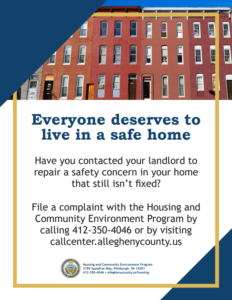
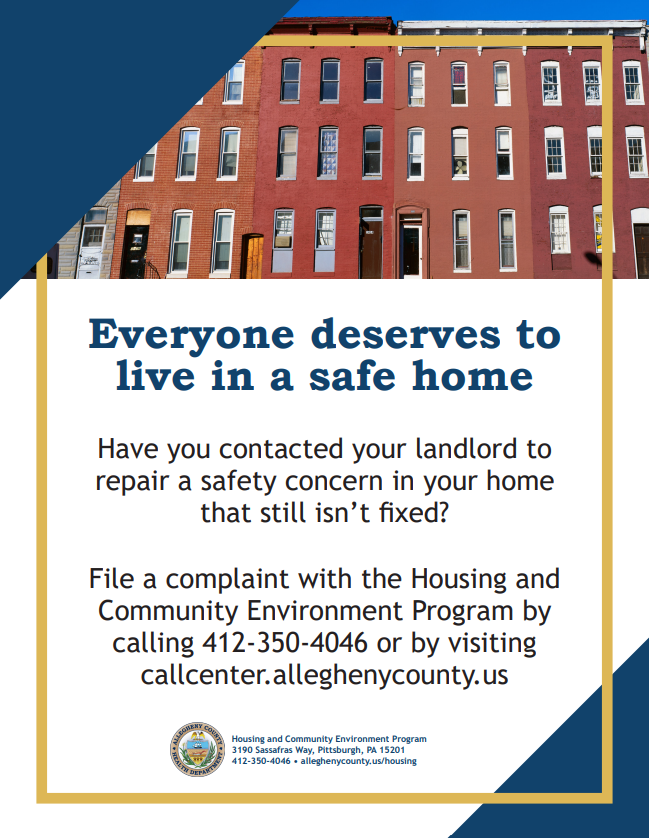
    Have you contacted your landlord about an issue in your home, and nothing has been done? ACHD takes complaints, contacts the landlord, then offers to the resident at no cost, a full inspection for violations of our regulations. A report will be provided to the resident and landlord through the mail with information on follow up. Emergency situations such as sewage, lack of heat or other utilities will have a faster turn-around than other violations. It is important to note that contacting ACHD cannot be used as grounds for an eviction. ACHD inspectors are looking for anything that could result in a health or safety problem.

    ACHD takes complaints about facilities like boarding homes, hotel/rooming houses, and public pools and bathing places. Everyone deserves to live in a safe and healthy environment, and we can help with that.

    To report a concern, you can call 412-350-4046 or use the Allegheny County Self-Service Portal. Select Request Service/File Complaint, then select Health Department, and then select the Housing tab. ACHD cannot help until it knows about it!

    Complaint Housing and Community Environment Flyer

    Live Well, Be Well

    Did You Know?

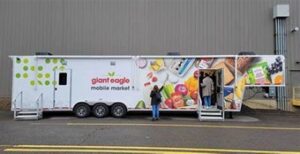
    Giant Eagle has a Mobile Market that travels weekly to ten Pittsburgh-area communities that are experiencing issues with food access.

    This Mobile Market contains over 700 grocery items including meat, dairy, frozen and dry goods. In addition, fresh produce is always sold at half price.

    SNAP and WIC are also accepted.

    Current locations include Sheraden, Larimer, Homewood, Mt. Oliver, Hazelwood, Glen-Hazel, Rankin, and Braddock. Check out the Mobile Market’s schedule here: Giant Eagle’s Mobile Market.

    Are you fully protected?

    Although the holidays may be behind us, it is not too late to get vaccinated for the most common viruses going around. Every winter, as people spend more hours indoors and may be attending more crowded indoor activities, rates of COVID-19, influenza, and respiratory syncytial virus (RSV) go up. You can prevent severe symptoms and hospitalization by getting up-to-date vaccines on each of these viruses.

    Who should get the RSV vaccine?

    The CDC recommends adults 60 years and older get vaccinated for RSV, as well as pregnant people from week 32 to week 36 of pregnancy to protect their infants under 6 months of age. For other babies, it is possible to get preventative antibodies. Because we are past the peak of RSV season, most of the US stops giving the RSV vaccine after January, but talk to your doctor for further information, and please consider one for the fall of 2024.

    PSA from Urban League of Greater Pittsburgh

    Check out this PSA about COVID-19 vaccination and see some familiar faces from ACHD’s REACH coalition!

    Video: PSA from Urban League of Greater Pittsburgh: COVID-19 Vaccination

    Still Working from Home?

    Physical activity breaks are a great way to relieve anxiety and help stay focused! Try going for a quick walk or doing yoga, push-ups, or squats between tasks.

    Good News about Tobacco Use Among Teens!

    E-cigarettes are still the most commonly used tobacco product among youths. However, from 2022 to 2023, current e-cigarette use among high school students declined from 14.1% to 10.0%!

    Continued public health monitoring and the implementation of evidence-based tobacco control strategies, including effective youth interventions, media campaigns, Food and Drug Administration (FDA) regulations, and other tobacco prevention policies might further reduce youth tobacco product use.

    Keep up the good work, Live Well Communities!

    Check out the CDC press release here.

    Chronic Disease Spotlight

    According to the CDC, six in ten adults in the U.S. have a chronic disease and four in ten adults have two or more chronic diseases.

    Heart Disease and Cardiovascular Disease

    Check out this Community Health Dashboard from the Health Department to explore local data on various heart health topics: Community Indicators and Health Data – Allegheny County, PA. You can type in phrases like heart disease, heart attack, high blood pressure, and many more. For example, the indicator shows that 11% of adults 35 years and older in Allegheny County have been told by a health care provider that they have had a heart attack, coronary heart disease, or a stroke. You can even search by your zip code!


    Heart disease is a broad term for a number of different conditions that affect the heart’s functioning and blood flow, and it has been the leading cause of death in the US for many years. These conditions can include:

    • Coronary artery disease
    • Irregular heartbeats
    • Disease of the heart muscle
    • Heart valve disease

    Read all about different heart conditions here: Heart Disease Symptoms and Causes – Mayo Clinic.

    Watch this video from the Mayo Clinic explaining coronary artery disease: Mayo Clinic Explains Coronary Artery Disease

    Many of the symptoms of these various conditions can overlap, so it is important to see a physician to determine what you are experiencing and the best course of treatment. Here are a few of the symptoms:

    • Chest pain, pressure, or discomfort
    • Dizziness
    • Fatigue
    • Lightheadedness
    • Fast or slow heartbeat
    • Easily tiring during activity
    • Feeling shortness of breath

    Many of the same lifestyle changes that are used to manage different heart diseases are also the same ones that can be used to prevent them in the first place! Here are some examples:

    • Quit smoking
    • Eat a diet low in salt and saturated fats
    • Move your body for at least 30 minutes per day on most days of the week
    • Maintain a healthy weight for YOU
    • Reduce and manage stress and mental health
    • Control high blood pressure, high cholesterol, and diabetes
    • Get high quality sleep, and aim for 7 to 9 hours per night

    Making small, manageable changes to any one of these can add up in a big way to improve your overall health!

    The CDC created the “Live to the Beat” Campaign, which aims to reduce the risk of cardiovascular disease among Black adults ages 35-54. Check out their user-friendly materials and educational videos that can be shared on social media, or via email.


    There are many things that our Live Well Allegheny Partners can do to support our mission for a healthier Allegheny County!

    Live Well Restaurants can aid in the fight against heart disease by always including heart-healthy food options on their menus, labeling them as such, and bringing attention to them. This allows our residents and visitors to the county to continue having fun by eating out while staying heart healthy.

    Live Well Schools can help our kids develop heart healthy habits from a young age by encouraging daily exercise and educating our kids about healthy food options and maintaining a good balance throughout the lifespan. They can also support parents with resources, cooking demonstrations, and family-oriented physical activity events.

    Live Well Workplaces can provide healthier food options at meetings and events, encourage and leave time for walks during the workday, encourage using the stairs, provide ample resources for managing work stress, and make sure employees are taking time off to rest.

    Live Well Municipalities can share this E-Update and host events such as healthy cooking demonstrations, community walks or 5ks, and improving the built environment to allow residents to more safely and easily walk around their neighborhood. Explore the Community Health Indicators tool from the Health Department to see how your zip code is faring with heart health and empower your community with this knowledge.

    3Jan, 2024
    Live Well Allegheny: Winter 2023 E-Update

    More than 350 Live Well partners united to make Allegheny County healthy for all to live, learn, work and play!

    The Fall update contains information to help make Allegheny County a healthier place for all. Please feel free to share.

    Be sure to like and follow the Allegheny County Health Department on Facebook and Twitter to stay up-to-date on all ACHD news.

    Allegheny County Health Department Website

    Live Well Allegheny Story

    New Resources for Educators to Empower Vape-Free Youth

    E-cigarettes (also called “vapes”) have been the most commonly used tobacco product among U.S. youth since 2014. The Centers for Disease Control and Prevention (CDC) has recently launched the Empower Vape-Free Youth campaign earlier this year to encourage middle and high school educators to speak with students about the risks of e-cigarettes and nicotine addiction. The campaign comes with resources for educators to help students avoid or quit vaping.

    These resources are great tools for Live Well Schools and other partners. With the campaign, educators can access a fact sheet about vaping, a conversation card, and a variety of video resources that are all less than two minutes long.

    The resources for Empower Vape-Free Youth can be found below:

    • Empower Vape-Free Youth Fact Sheet
    • Empower Vape-Free Youth Conversation Card
    • All other resources can be found here

    A goal of the Allegheny County Health Department’s Plan for a Healthier Allegheny is to reduce the rate of people who use tobacco products, including vaping. Check out the PA Quitline for resources to help quit using tobacco products. It is a free service that offers free coaching with no judgement. Call 1-800-QUIT-NOW or visit https://pa.quitlogix.org/en-US/Enroll-Now to Enroll Now!

    Get Free, At Home COVID-19 Tests!

    Every home in the U.S. is eligible to order an additional 4 free at-⁠home tests beginning November 20. If you did not order tests this fall, you may place two orders for a total of 8 tests.

    Your order of COVID tests is completely free – you won’t even pay for shipping.

    This is excellent timing for the winter holidays, a time of year when we know that many people gather in larger groups indoors, increasing the likelihood of seeing more respiratory virus cases than at other times of the year.

    Take an at-⁠home test:

    • If you begin having COVID-⁠19 symptoms like fever, sore throat, runny nose, or loss of taste or smell, or
    • At least 5 days after you come into close contact with someone with COVID-⁠19, or
    • When you’re going to gather with a group of people, especially those who are at risk of severe disease or may not be up to date on their COVID-19 vaccines

    Go to COVID.gov to order your tests.

    If you have any trouble doing so online, call 1-800-232-0233 or TTY: 1-888-720-7489. Please spread the word in your community!

    Live Well Allegheny Learning Collaborative Recaps

    September Live Well Learning Collaborative

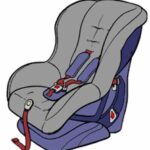
    In September’s Live Well Collaborative, we learned about the basics of child passenger safety. Some key takeaways and resources from the speaker series included:

    • PA Laws of Love – child passenger safety laws vary from state to state, the laws in Pennsylvania are listed below:
      • Birth – 2 years ­– must be secured in a rear-facing seat until the child outgrows the maximum weight and height limits designated by the car seat manufacturer.
      • Birth – 4 years – must be properly restrained in an approved child safety seat anywhere in the vehicle.
      • 4-8 years– must be restrained in an appropriate booster seat.
      • 8 years and older: must be in a seat belt.
    • NHTSA Car Seats and Booster Recommendations – goes into further details about how to select the best car seat for your child from the National Highway Traffic Safety Administration
    • Car Seat Loan Programs this resource is from the PA Traffic Injury Prevention Project (PA TIPP) and is funded by the PA Department of Transportation.
    • Car Seat Check / Fitting Station Location – assistance is given on how to properly fit car seats to personal vehicles. There are Fitting Stations throughout Allegheny County that provide this free service. Use the search function in the link to locate a fitting station and schedule an appointment.

    If you missed the live speaker series, you could watch September’s event here.

    October Live Well Learning Collaborative

    In October’s Live Well Collaborative, we learned about the Rethink Your Drink Campaign. Some key takeaways and resources from the speaker series included:

    • Sugary drinks are the leading sources of added sugars in the American diet.
    • Free Rethink Your Drink Campaign Resources (found here):
      • Rethink Your Drink Toolkit
      • Live Well Allegheny Speaker Series: Rethink Your Drink Launch (April)
      • Campaign materials request form
      • Social Media Packet
      • Campaign Videos

    If you missed the live speaker series, you can watch October’s event here.

    Live Well Allegheny Partner Wins

    Bethel Park Farmers Market was nominated and made it to the “Top 5Bethel Park Farmers' Market Logo Observer-Reporter Best of the Best for 2023”! The Bethel Park Farmers’ market offers visitors fresh, delicious, and healthy foods and drinks every Tuesday in season. Check them out at their website here.
    Playful Pittsburgh Collaborative and Age-Friendly Greater Pittsburgh were interviewed by Talk Pittsburgh. They shared opportunities that both organizations provide to advocate for the critical impact that play has on the development of children. Watch the interview here.

    If you’re a Live Well partner that would like to share a success story with us, send them to michaela.avino@alleghenycounty.us.

    Healthier Holidays in 1-2-3!

    If better health is the gift you want to give yourself this holiday season, try these tips to add more movement to your day and healthy foods to your plate.

    1.Stay active.

    Even a few minutes of moderate-intensity physical activity can deliver some health benefits and count towards reaching the recommendations.

    2. Eat healthy.

    Eating well supports muscles and bones, boosts immunity, helps the digestive system function, and helps with weight management among other health benefits. Good nutrition involves eating a variety of healthy foods. For examples of healthy eating for a healthy weight check out this page from the CDC.

    3. Plan activities that don’t center around eating.

    Here are some ideas for shifting the focus away from food during the holiday season:

    • Volunteer in your community; it might turn into an activity you enjoy year-round.
    • Try a seasonal activity such as ice skating or winter hiking.
    • Make a “walk and talk” date with a friend or family member. Skip the blended coffee drink and explore an area that is new.
    •  Visit the museum or exhibit you’ve been wanting to see.

    Rethink Your Drink Campaign Updates

    Rethink Your Drink is a campaign that promotes education on the effects of consuming sugar-sweetened beverages and to encourage healthier beverages choices. Materials are available to participate in the campaign through the use of our toolkit with activities, sharable social media messages, promotional water bottles and stickers.
    Check out our two newest Rethink Your Drink Campaign videos. In the fourth campaign video Devon Kroesche, Registered Dietitian Nutritionist gave recommendations on how to Rethink Your Drink. View the video here. In the fifth campaign video here, Maddie Putzi, a dietitian with the Allegheny County Health Department talks about the WIC program and how to Rethink Your Drink for your family.

    The Borough of Emsworth kindly gave out more than 60 Rethink Your Drink water bottles, recipe cards, and written materials at their annual Halloween parade. It was a great success for the Borough and for our campaign. The kids were thrilled to get new water bottles alongside their many other treats! Thanks Emsworth!

    Allegheny County Health Department Updates

    CDC BOLD Grant Press Release

    The Allegheny County Health Department (ACHD) was selected as one of 43 recipients nationally of the Centers for Disease Control’s BOLD grants supporting public health programs to address Alzheimer’s disease and related dementias (ADRD), receiving $1.85 million in funding over the next five years. Allegheny County is one of the oldest regions in the United States, with 19.7% of the population 65 years or older.

    Over five years, the coalition will collaborate to improve health disparities, educate communities, health care providers, and other professionals and increase community-clinical access. Developing and implementing an Alzheimer’s disease and related dementias strategic plans includes various activities ranging from community outreach events, professional educational events, and dissemination of information and resources. The plan will include input from grassroots and faith-based organizations working on community health and education in Allegheny County.

    Read more from the official press release here: CDC BOLD Grant Press Release.

    CDC REACH Grant Press Release

    The Centers for Disease Control and Prevention (CDC) has awarded a second $5.5 million Racial & Ethnic Approaches to Community Health (REACH) grant to the Allegheny County Health Department (ACHD). The program provides funds to build strong partnerships to improve health, prevent chronic disease and reduce racial and ethnic health disparities in selected communities. Along with funding, the CDC provides expert support to REACH recipients.

    In Allegheny County, the Live Well Allegheny REACH Program is a collaboration between ACHD and many community partners focused specifically on improving health outcomes for Black and African American residents. In addition to ACHD programs and clinics, partners include Allegheny County Economic Development, Food Trust, UPMC Children’s Hospital of Pittsburgh, Just Harvest, Greater Pittsburgh Community Food Bank, Faith-Based Health Collaborative, Royally Fit, Pittsburgh Food Policy Council, Healthy Start Center for Urban Breastfeeding, Pittsburgh Black Breastfeeding Circle, Black Women’s Policy Center, Bethany Community Ministries, the Black Equity Coalition, and the Urbankind Institute.

    With the funding awarded by the CDC REACH Program, ACHD and its many partners plan to:

    • Improve breastfeeding rates by linking even more Black mothers to breastfeeding information, education and support;
    • Increase trail mileage, access to existing trails and improve the built environment to encourage outdoor activities by continuing to partner with the Redevelopment Authority of Allegheny County;
    • Increase access to fresh fruits and vegetables using voucher programs for things like farmers markets and produce prescription programs to create a clinical linkage to more nutritious food; and
    • Increase vaccination rates by improving access to vaccination opportunities.

    The Live Well Allegheny REACH Program focuses on the following municipalities and neighborhoods:

    Clairton, Duquesne, McKeesport, North Braddock, North Versailles, Rankin and Wilkinsburg and the neighborhoods of the Northside, Homewood/Larimer, Hill District, Garfield, Hazelwood, West End and the Hilltop in the City of Pittsburgh.

    Read more from the official press release here: CDC REACH Grant Continued Funding Press Release.

    Chronic Disease Spotlight

    According to the CDC, six in ten adults in the U.S. have a chronic disease and four in ten adults have two or more chronic diseases. Each month this section will highlight a common chronic disease and provide educational resources. This month the focus is on risk factors that can be linked to chronic disease.

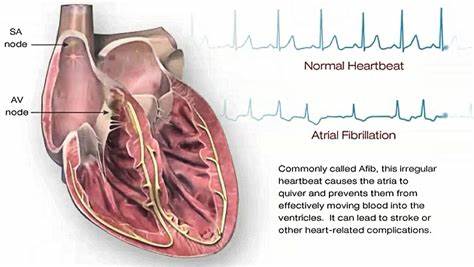
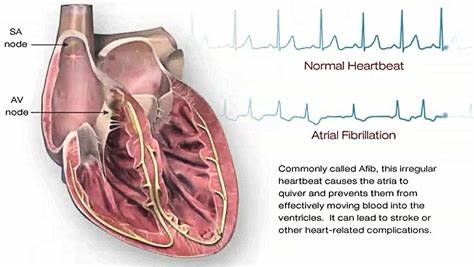
    Atrial Fibrillation commonly called Afib is an irregular heartbeat that causes the atria to quiver. Atrial Fibrilation

    Atrial Fibrillation, or AFib, is the most common type of treated heart arrhythmia. An arrhythmia is when the heart beats too slowly, too fast, or in an irregular way.

    When a person has AFib, the normal beating in the upper chamber of the heart is irregular, and blood doesn’t flow as well as it should from the atria to the lower chambers of the heart. AFib may happen in brief episodes, or it may be a permanent condition.

    Symptoms

    Some people who have AFib don’t know that they have it and don’t have symptoms. Others may experience one or more of the following symptoms:

    • Irregular heartbeat
    • Heart palpitations
    • Lightheadedness
    • Extreme fatigue
    • Shortness of breath
    • Chest pain

    Risk Factors:

    • Older age
    • High blood pressure
    • Obesity
    • European ancestry
    • Diabetes
    • Heart failure
    • Ischemic heart disease
    • Hyperthyroidism
    • Chronic kidney disease
    • Moderate to heavy alcohol use
    • Smoking
    • Enlargement of the chambers on the left side of the heart

    Additional resources:

    • American Heart Association
    • NIH – Atrial Fibrillation

    National Nutrition Month 2022 Logo
    15Mar, 2022
    Live Well Allegheny: March 2022 E-Update

    Welcome to our March 2022 Live Well Allegheny e-update.

    A Letter From Our Director

    Allegheny County Health Department Website

    Health Observances

    Allegheny County Health Department Updates

    Live Well, Be Well

    Community Resources

    Live Well Allegheny Story

    Copyright © 2026 Live Well Allegheny | Live Well Allegheny is an initiative of the Allegheny County Health Department.
    The owner of this website has made a commitment to accessibility and inclusion, please report any problems that you encounter using the contact form on this website. This site uses the WP ADA Compliance Check plugin to enhance accessibility.