Youth Tobacco Use
According to data from the 2022 National Youth Tobacco Survey, more than three million middle and high school students currently use tobacco products. The report showed that in 2022,, more than one in 10 middle and high school students had used a tobacco product during the past 30 days. E-cigarettes were the most common form of tobacco used. Among current youth e-cigarette users, more than one in four use e-cigarettes daily and 85 percent use flavored e-cigarettes.
Youth use of tobacco products, in any form, including e-cigarettes is unsafe. These products contain nicotine, which is highly addictive and can harm the developing brain. Nicotine use can also affect teens’ mental health. When a teen is dependent on, or addicted to, nicotine and stops using it, their body and brain have to get used to not having nicotine, this is known as nicotine withdrawal. Symptoms of nicotine withdrawal can include irritability, restlessness, feeling anxious or depressed, trouble sleeping, problems concentrating and craving nicotine. The symptoms can lead teens to continue use tobacco products containing nicotine to relieve these symptoms. However, quitting e-cigarettes can improve mental health by decreasing anxiety, depression, and stress symptoms, and increasing a positive mood.
Aside from the addictive qualities of nicotine, e-cigarettes come with other risks to teens. Because of how new e-cigarettes are, scientists and researchers are still learning about the long-term health effects of e-cigarettes. Some of the ingredients in e-cigarette aerosol could also be harmful to the lungs in the long term. Defective e-cigarette batteries have also caused some fires and explosions; a few have caused serious injuries.
To combat the increase of consumption of tobacco products in teens, we can educate them early about the harmful effects of tobacco. It’s also important to remember that no matter how it’s delivered, nicotine is addictive and harmful.
For additional resources, visit the Center for Disease Control and Prevention’s (CDC) resource page on smoking and tobacco use.
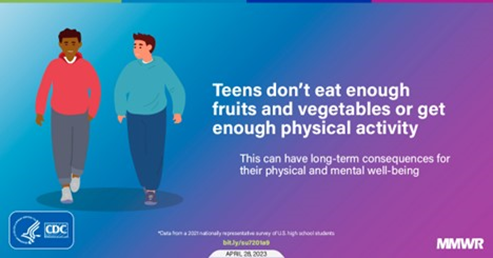
 According to the National Youth Risk Behavior Survey, high school students’ rates of physical activity is decreasing. The same is true for daily consumption of fruits, vegetables and breakfast. Healthy eating and physical activity in childhood and adolescence is important for proper growth and development and in the prevention of chronic health conditions.
 The Racial and Ethnic Approaches to Community Health (REACH) program, a CDC-funded initiative managed by the Chronic Disease and Injury Prevention Program, works to reduce racial health disparities by addressing several of the risk factors associated with chronic disease in our Black communities. A diverse coalition of partners are working together to ensure access to healthy food, safe outdoor spaces, and health care.
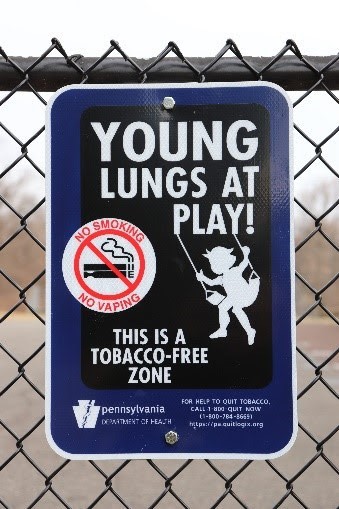
 Tobacco Free Adagio Health engages with schools to promote programming and interventions to educate and support youth in efforts to stop smoking, or to never start. Tobacco Resistance Units are student-centered groups designed to promote tobacco-free lifestyles, teach youth about advocacy and leadership, and help them to engage with their peers to educate them on the risks of tobacco use and nicotine dependence.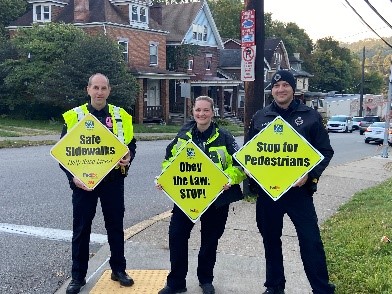
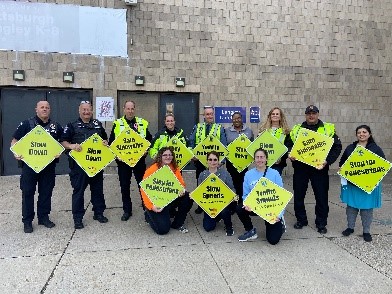
 The 26th Annual National Walk to School Day was held on October 6 at Pittsburgh Langley K-8.
 The event was organized by Safe Kids Allegheny, a local coalition of Safe Kids Worldwide led by UPMC Children’s Hospital of Pittsburgh. The Allegheny County Health Department Injury Prevention Program are members and participate in Safe Kids activities as well. Safe Kids Allegheny Coalition members include state, local and college police officers. This is the 10th year that the Injury Prevention program has participated in the event.